Here are the Top 5 Tech & Cybersecurity news stories for July 2025
1. Windows 11 Surpasses Windows 10 in Market Share
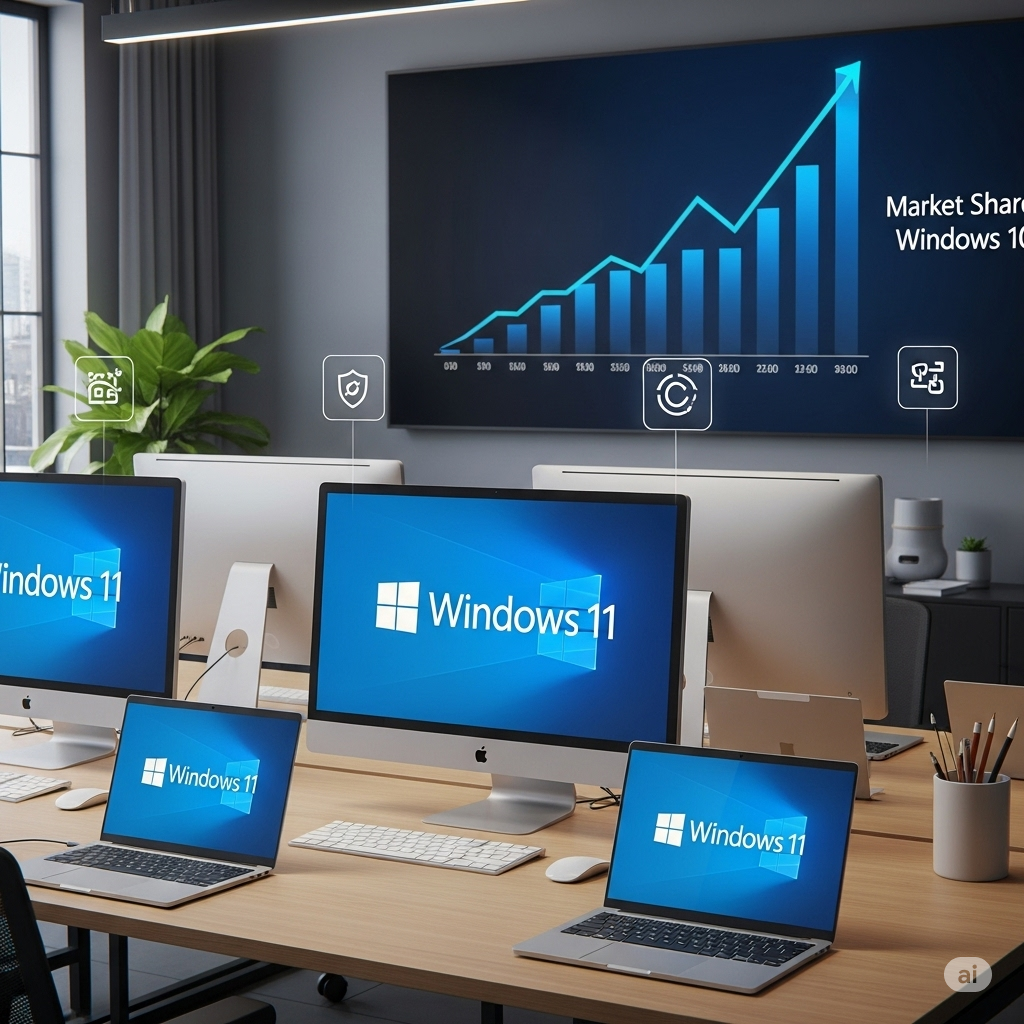
Windows 11 has officially overtaken Windows 10, now running on 52% of desktop computers worldwide as of July 2025. This shift is driven by Microsoft’s announcement to end Windows 10 support in October, aggressive upgrade prompts, and stricter hardware requirements that have nudged users and enterprises to migrate. The transition marks a significant milestone for Microsoft, pushing users toward a more secure and modern Windows experience.
Read more: Times of India
2. AI-Powered Cyber Threats Surge, Forcing Security Evolution

AI-driven cyberattacks—including phishing and deepfake incidents—have surged 47% year-over-year, posing new challenges for traditional security. Generative AI is now being used to craft sophisticated spear-phishing emails that bypass standard filters, making AI-powered security solutions essential for organizations to defend against evolving threats.
Read more: InvestBoss Cybersecurity News
3. Samsung Galaxy Z Fold 7 Set to Be Thinnest Foldable Yet

Samsung is set to launch the Galaxy Z Fold 7, which is rumored to be the thinnest and lightest foldable smartphone to date, with a folded thickness of just 8.9 mm and a weight of 216 g. The Flip 7 will also feature a larger cover screen and a slimmer profile, aiming to redefine the foldable market [1].
Read more: Tech News Deep Dive
4. Zero-Day Exploits Target Critical Infrastructure

Two major zero-day vulnerabilities in edge routers have triggered emergency patches across Fortune 500 networks. The flaw, CVE-2025-28901, allows remote code execution and has prompted urgent action from cybersecurity teams and vendors to protect critical infrastructure from exploitation [2].
Read more: InvestBoss Cybersecurity News
5. Ethereum Community Conference Showcases Blockchain Growth
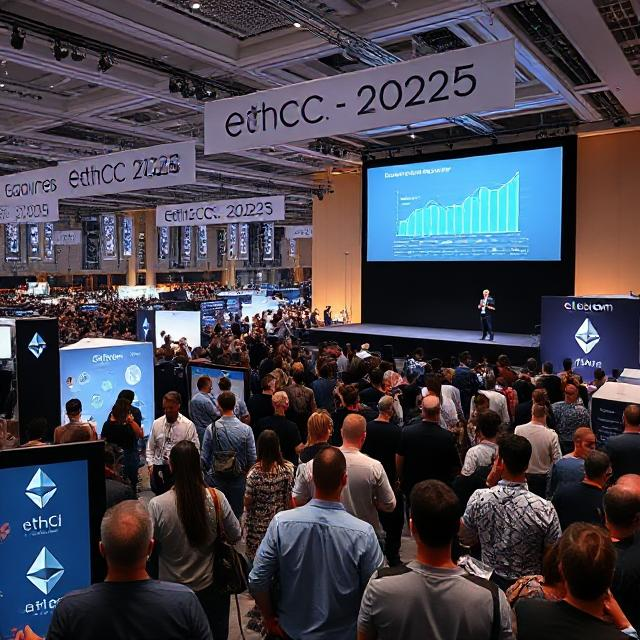
The Ethereum Community Conference (EthCC) in Cannes has highlighted Ethereum’s evolution from a developer tool to a key player in institutional finance. Vitalik Buterin’s proposal to cap transaction gas aims to enhance security and predictability, reflecting ongoing innovation in the blockchain space [3].
Read more: BTW Media
Stay updated with these leading blogs for the latest in technology and cybersecurity.
